
What California's Next Governor Should Be Thinking About on Transportation
The case for bold leadership on transportation
Transportation is about to become one of the next governor's biggest challenges whether they want it to or not.
California recently eliminated $600 million in annual transit funding when it amended its Cap & Invest program, a gap that will emerge just as the next governor takes office. At the same time, fuel efficiency and EVs are reducing gas tax revenues, which account for nearly half of California's transportation funding. And with housing, insurance, and grocery costs rising, both gubernatorial candidates have made affordability a centerpiece of their campaigns.
Every year, California makes transportation decisions that shape daily life for millions of residents. Will funding go toward filling in missing sidewalks, running buses more than once an hour, or widening highways? While everyone notices potholes and traffic, the billions of dollars spent on transportation each year are largely unseen and unquestioned by the public.
The next governor will have an opportunity to rethink how California plans, builds, and funds transportation—delivering more affordable access to daily destinations, safer roads, and cleaner air.
Lowering the price of gas will not make transportation affordable
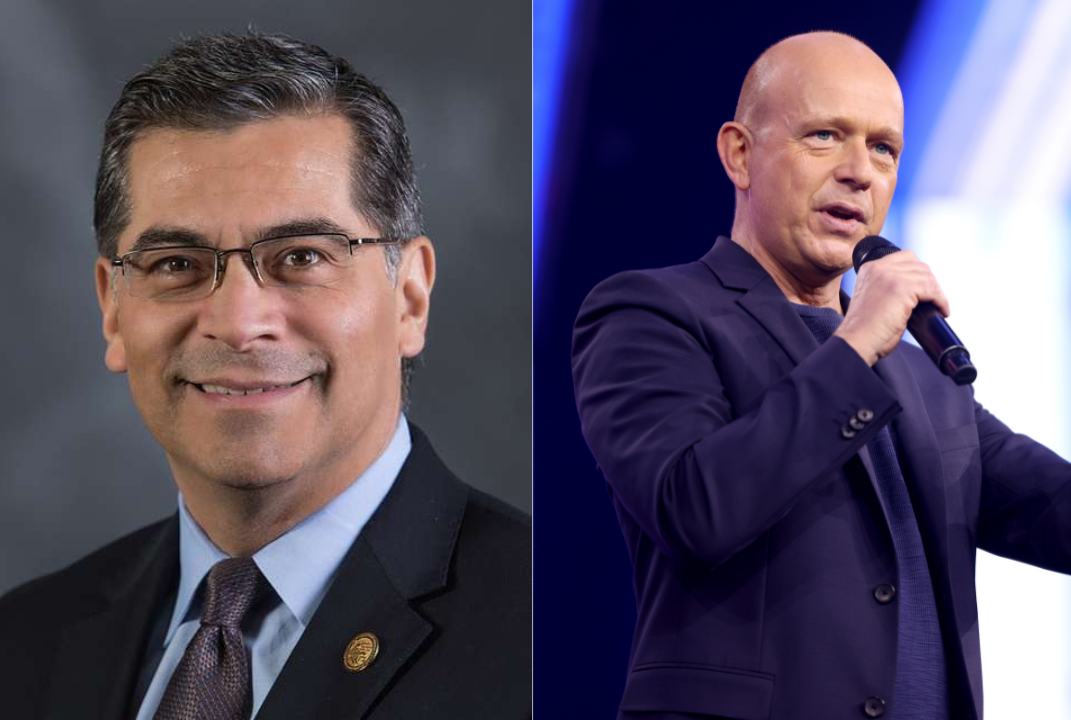
Both gubernatorial candidates, Xavier Becerra and Steve Hilton, have promised to lower gas prices for California drivers, with Steve Hilton going so far as to promise $3-per-gallon gas.
But transportation affordability is about much more than gas prices. Transportation is the second-largest household expense for most Californians, and gas accounts for only a small share of the cost of owning a vehicle. AAA estimates the average cost of vehicle ownership at roughly $12,000 per year, and likely closer to $15,000 in California once insurance, maintenance, registration, repairs, and depreciation are included.
Lower gas prices do nothing for the roughly 35% of Californians over age 10 who do not regularly rely on a car, including students, seniors, and many lower-income households. For them, $3 gas is irrelevant.
Nor do they address the fragility of California's car-dependent transportation system. Millions of Californians are one repair bill away from losing access to work, school, or essential services. Cheaper gas won’t fix a blown transmission.
The goal shouldn't be to make driving cheaper. It should be to give every Californian affordable access to daily destinations.
Affordable cost of living, not just affordable housing
Both candidates have talked extensively about building affordable housing. But the sticker price of housing is only part of what it costs to live somewhere.
A home that is affordable to buy or rent but requires one or two cars to reach jobs, schools, and services may not be affordable at all. The Housing + Transportation Affordability Index shows that many neighborhoods considered affordable based on housing costs alone become unaffordable once transportation costs are included.
Infill housing near jobs, services, and transit reduces transportation costs while supporting stronger transit systems. A governor serious about affordability should focus on total cost of living, not housing prices alone.
What bold leadership looks like
Set the tone
The next governor should move the conversation beyond the price of gas and define transportation affordability more broadly. The question is not simply how much Californians pay for gas. It is whether people can reach jobs, schools, healthcare, and daily destinations safely, affordably, and reliably, and how California will pay for that system as gas tax revenues decline.
Appoint the right leadership
The next governor should appoint leaders who bring a vision for a modern transportation system: reliable transit, safer walking and biking infrastructure, and a clean freight network. Just as importantly, they must have the political skills to turn that vision into reality.
Streamline and simplify
California's transportation institutions remain difficult to understand and difficult to influence. The governor should begin reforming Caltrans into a transportation agency rather than primarily a highway agency and create a more transparent process for setting statewide transportation priorities.
A single list of statewide priorities would make it easier to evaluate projects, compare investments, and retire projects that no longer serve California's needs.
Look beyond the price of gas
Transportation remains one of the last major policy areas where California's institutions and funding systems are still rooted in a previous era.
The next governor has an opportunity to reset the conversation, modernize the state's transportation agencies, and build a system that works for all Californians, not just those who can afford to own and maintain a car.
But doing so will require looking beyond the price of gas and focusing instead on what really matters: safe and affordable access to daily destinations.