
SB 1087 is Now Law
On the last day of the legislative session, Governor Newsom signed SB 1087, the first major update to California’s regional framework for connecting transportation and development decisions to the state’s climate goals in nearly 20 years.
The Backstory
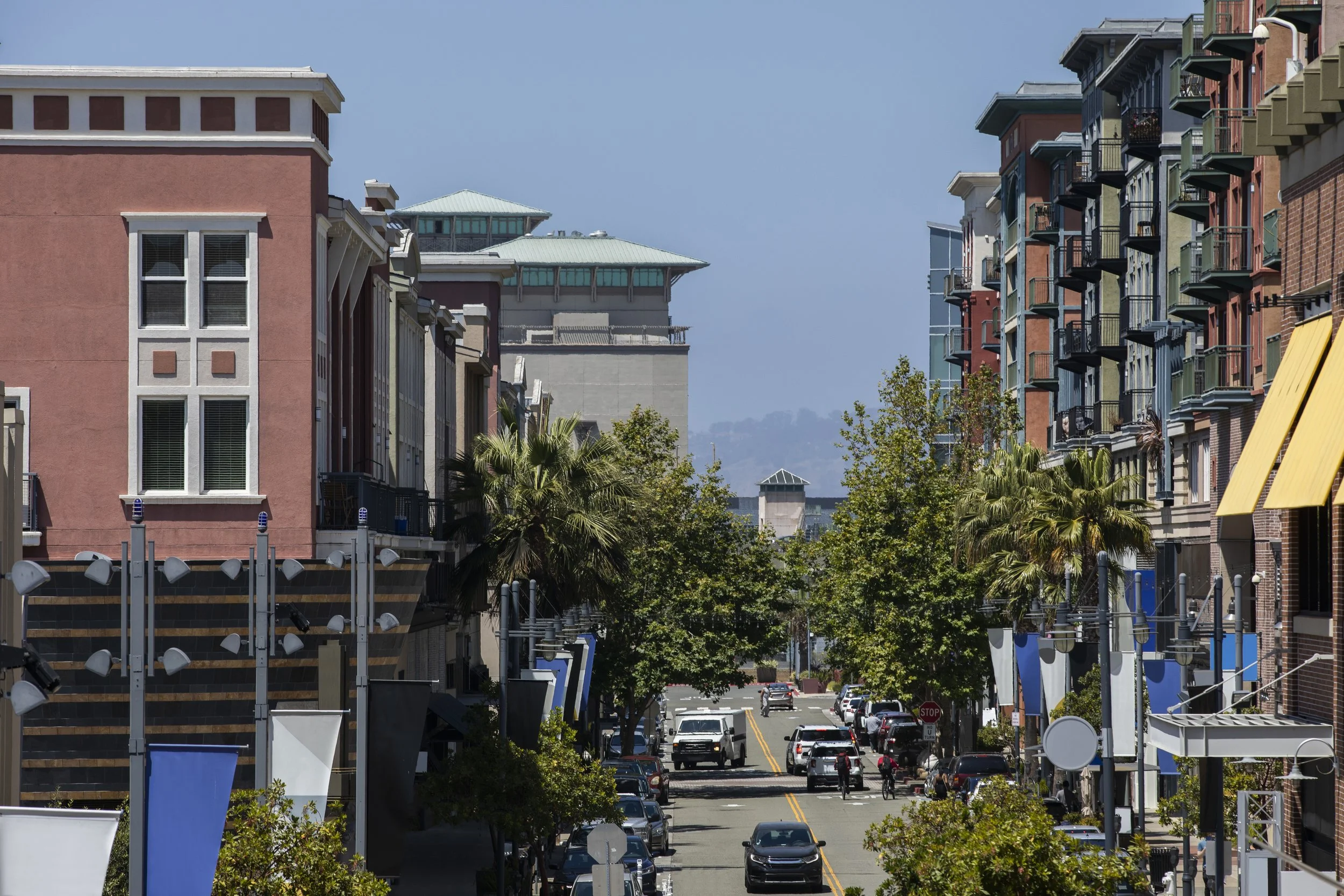
SB 375, which was enacted in 2008, created an important framework for regional planning, tying transportation and land use planning to climate goals. Regions were tasked with identifying where housing and other development should happen, and what the resulting transportation investments should be.
Nearly two decades later, the law has had a major influence on planning but its influence on what gets built has been more limited. SB 1087 makes important changes to that framework, increasing the focus on implementation and strengthening the connection between regional plans and transportation investments.
More than a year ago, the ‘Big 4’ Metropolitan Planning Organizations (MPOs) began conversations with ClimatePlan about how SB 375 could be improved to yield better results on the ground. Improving the framework meant bringing together groups working on transportation, housing, conservation, climate and environmental justice, along with regional planning agencies, labor and industry.
That breadth mattered. The decisions SB 375 is meant to connect—where housing gets built, how people get around, and where transportation dollars go—are often addressed separately. Updating the law meant finding common ground across those issues.
As we worked with regional planning agencies and our broader coalition to shape SB 1087, we focused on three key things: improving regional plans, making sure transportation investments follow through on those plans, and holding the state accountable to the same goals it asks regions to meet.
It wasn't easy: after SB 1087 was signed, one coalition partner said, “I don't think I've ever worked on a bill that required as much from as many people.” We didn't get everything we wanted. Getting the bill passed also required strong leadership from its author, Senator Cabaldon, who brought deep knowledge of SB 375 and helped guide stakeholders through difficult policy questions.
But those priorities helped guide our approach to the bill—and they offer a useful way to understand what SB 1087 changes, and what still needs to happen.
SB 1087 strengthens regional planning and project delivery
Here’s what the bill does:
Sets regional greenhouse gas reduction targets for 2045. Previously, the law established targets for 2020 and 2035, leaving California without a statutory target beyond 2035.
Puts more focus on implementation. Sustainable Communities Strategies will now be fully updated every eight years instead of every four, with a progress report at the four year mark. That gives regions more time to put their plans into action while creating a clear way to track whether planned projects and development are actually happening.
Strengthens the connection between plans and transportation investments. SB 1087 ties funding through the Trade Corridor Enhancement Program and Solutions for Congested Corridors Program more closely to regional transportation plans. It also requires Caltrans to direct planning funds in metropolitan regions toward implementing their regional plans.
Requires Caltrans to better account for climate goals in transportation planning. SB 1087 requires Caltrans to incorporate measures of progress toward the state's climate and air quality goals into planning for transportation projects. Future updates to the California Transportation Plan must also report on actions and priorities in each Caltrans district, including what the department expects to accomplish by 2035 and 2045.
Taken together, these changes give regions more time to implement their plans while strengthening the state's role in ensuring that transportation investments support regional climate goals.
SB 1087 is one piece of a broader agenda for how California grows
SB 1087 is an important step, but it cannot by itself change all the decisions that shape how California grows. That will require better coordination across state agencies and policies, including decisions about where to invest in transportation, where to build affordable housing, and how to protect natural and working lands.
For example, Caltrans and local transportation agencies own significant amounts of underutilized property, much of it in locations that are well served by transit and close to jobs. Making more of that land available for affordable housing could help California add homes without continuing to push development farther from existing communities and infrastructure.
California also needs to better coordinate the policies that shape where growth happens. The Strategic Growth Council can help bring together goals like affordable housing, economic development and conservation, which are often addressed separately even though they all influence how and where communities grow.
Where California builds also has consequences for public spending and climate risk. Building homes in infill locations can make use of existing infrastructure and give more people access to jobs and transportation. Building in areas exposed to wildfire and other climate disasters can carry very different risks and costs. Extending roads, water, sewer and other infrastructure to new development also comes with a price.
The question is not simply how much California builds. It is where we build, what we build, and whether our public investments support the communities we want to create. SB 1087 gives California a stronger framework for making those decisions. The next step is ensuring that state policies and public investments reinforce it.