
How California funds and approves transportation and housing projects shapes daily life for millions of people. Yet too much public money still goes to projects that increase traffic, pollution, and sprawl — while transit, walking, biking, and infill housing struggle to keep up.
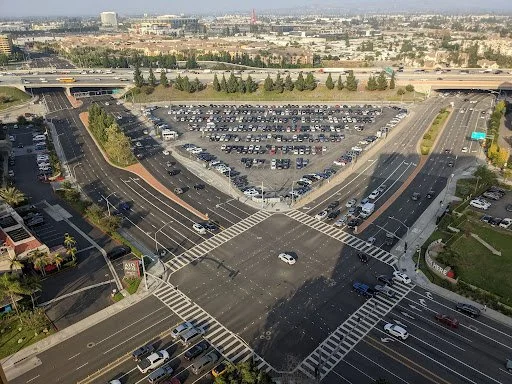
Our Work
A new NRDC study shows that over 1/3 of Californians don’t regularly use a car-- including people without access, people with disabilities, tweens and teens not yet allowed to drive, and older adults with driving limitations. But California locks people into driving with its transportation and housing decisions. The costs are high — to our health, safety, and budgets.
ClimatePlan focuses on three initiatives that change where transportation dollars go, how projects get approved, and how housing and transportation plans actually turn into real projects — so public investments deliver better outcomes for Californians.
Together, these initiatives work to shift how California funds and builds transportation and housing over the long term.
35% of Californians Don't Rely on a Personal Vehicle to Get Around
Strategic Initiatives
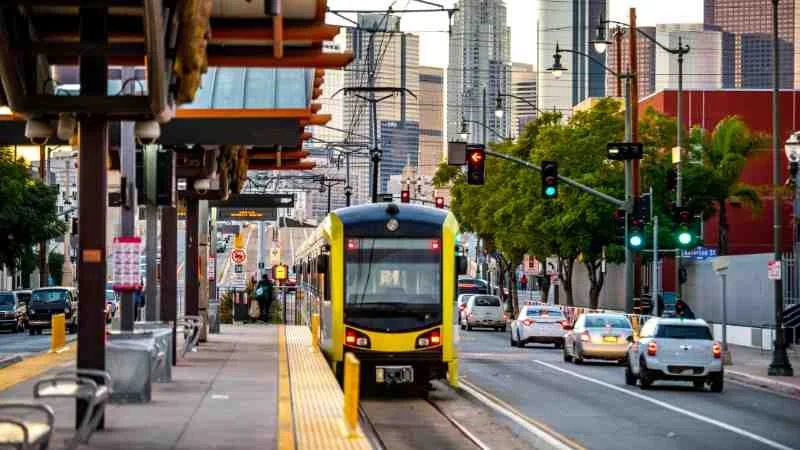
Public transit and safe streets for walking and biking are essential for daily life in California, but today these systems rely on unstable, year-to-year funding. ClimatePlan works to secure long-term statewide funding for transit, walking, and biking, including modernizing how transportation is paid for as traditional gas tax revenues decline.
Funding for Everyday Mobility
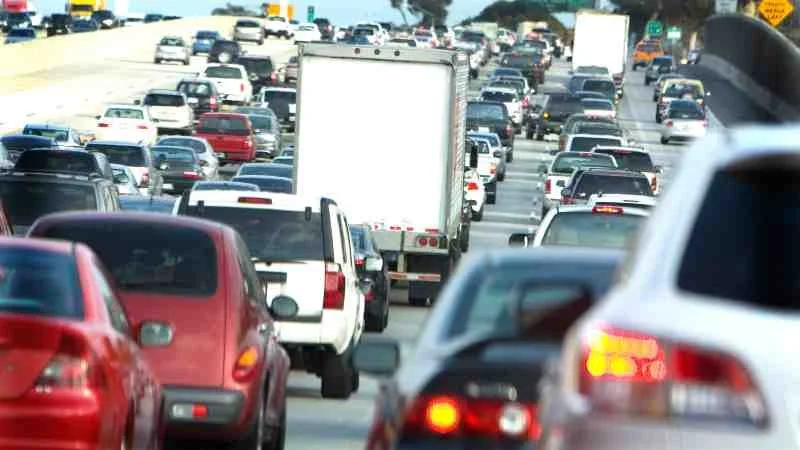
California spends hundreds of millions every year widening highways, locking in traffic, pollution, and higher costs for decades. ClimatePlan works to move California beyond highway expansion and toward transportation investments that better meet the needs of people and communities.
Beyond Highways
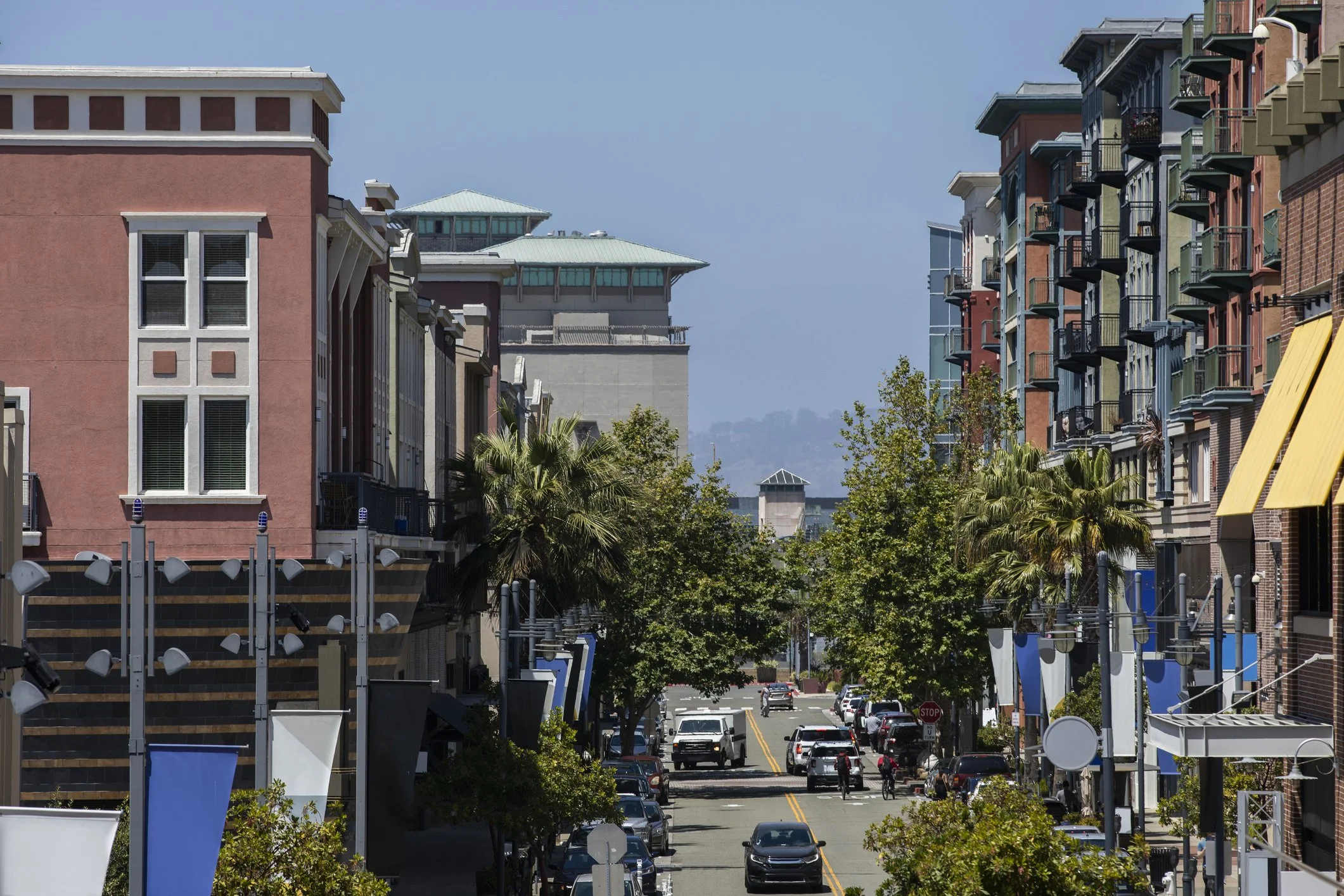
Communities work best when homes are close to transit, jobs, and daily needs. ClimatePlan works to align housing and transportation investments so communities are better connected, more resilient, and less dependent on driving.